Silver and Materials
Walk into any jewelry store, or browse an online collection, and you will quickly encounter a confusing vocabulary: sterling silver, fine silver, vermeil, rhodium plating, 14-karat gold, platinum 950. For a beginner, it can feel like learning a new language. Yet understanding silver and jewelry materials is the single most valuable skill you can develop as a buyer or a passionate enthusiast. It determines how long a piece will last, how it should be cared for, what it is truly worth, and whether it will suit your lifestyle. This pillar page serves as your complete introduction to the world of jewelry materials, explaining each metal clearly, connecting the concepts together, and giving you the tools to make confident, informed choices.
Why the Choice of Metal Matters So Much
A gemstone may catch the eye first, but the metal is the skeleton of every piece of jewelry. Think of it like the frame of a house: invisible at first glance, but responsible for everything, from strength to longevity. The material determines three essential things:
- Durability: how well the piece resists scratches, bending and daily wear.
- Appearance over time: whether it keeps its shine, develops a patina, or changes color.
- Value and skin compatibility: precious metal content and the risk of allergic reactions.
Two rings can look nearly identical in a display case yet behave completely differently after a year on the hand. One may remain brilliant; the other may dull, tarnish or even irritate the skin. The difference almost always lies in the material composition, which is why learning to read metal marks and descriptions is so important.
Silver: The Heart of This Category
Silver deserves special attention because it is both one of the most accessible precious metals and one of the most misunderstood. Its brilliant white luster has seduced jewelers for thousands of years, but its behavior surprises many first-time buyers.
Fine Silver vs. Sterling Silver
Pure silver, called fine silver, is stamped 999 and contains 99.9% silver. It is beautifully bright and virtually tarnish-resistant, but it is also soft, much like pure gold. A fine silver bracelet would bend and scratch too easily for everyday wear. That is why the jewelry industry relies overwhelmingly on sterling silver, an alloy of 92.5% pure silver and 7.5% other metals, usually copper, stamped with the famous mark 925.
A useful analogy: pure silver is like a ballerina, graceful but fragile; sterling silver is the same dancer wearing reinforced shoes, still elegant but ready for the stage of daily life. The small copper addition makes the metal significantly harder, at the cost of one trade-off: sterling silver can tarnish, reacting with sulfur in the air to form a dark surface layer.
Tarnish: Annoying but Manageable
Tarnish is not a defect; it is chemistry. Silver reacts with sulfur compounds present in air, sweat, perfumes and even some foods. The good news is that tarnish stays on the surface and never eats into the metal. Simple habits keep it under control:
- Store silver jewelry in an airtight pouch or box, away from humidity.
- Put jewelry on after applying perfume, lotion or makeup.
- Remove silver pieces before swimming, showering or exercising.
- Wipe pieces with a soft polishing cloth after each wear.
A piece left in a drawer for months may turn almost black, yet ten seconds with a polishing cloth usually restores it completely. Tarnish is a maintenance question, not a quality problem.
Plated, Vermeil and Coated Silver
Not everything that looks like silver is solid silver. Three common variations matter:
- Silver-plated items have a thin silver layer over a base metal such as brass or copper. Affordable, but the layer can wear through with time.
- Vermeil is a specific, regulated term: a thick gold layer (at least 2.5 microns) over solid sterling silver. It offers the gold look at a friendlier price.
- Rhodium-plated silver is sterling silver covered with a micro-layer of rhodium, a platinum-family metal. It gives a whiter, brighter finish and dramatically slows tarnishing.
Plating is not inferior; it is a legitimate technique. The key is knowing what you are buying so your expectations match reality.
Beyond Silver: The Other Major Jewelry Metals
To truly understand silver’s place, you need to see the full landscape of jewelry materials. Each metal occupies a distinct position based on rarity, hardness and price.
Gold: Purity Measured in Karats
Gold purity is expressed in karats (k), on a scale where 24k is pure gold. Because pure gold is very soft, jewelers alloy it:
- 24k: 99.9% gold, rich color, soft, mostly used for investment pieces.
- 18k: 75% gold, the standard for fine jewelry, excellent balance of richness and strength.
- 14k: 58.5% gold, harder and more affordable, popular for everyday rings.
- 9k: 37.5% gold, budget-friendly and durable, common in entry-level pieces.
The alloying metals also create colors: copper produces rose gold, palladium or nickel-based blends produce white gold, and silver mixed with copper yields yellow gold’s classic warmth. White gold is often finished with rhodium plating for extra whiteness, which may need re-plating every few years.
Platinum and Palladium: The Durable Whites
Platinum is the heavyweight of precious metals, both literally (it is denser than gold) and figuratively. Stamped 950 when 95% pure, it is naturally white, hypoallergenic and extremely resistant to wear. When scratched, platinum displaces metal rather than losing it, so scratches can be polished out without material loss. This makes it a favorite for engagement rings and heirloom pieces. Palladium, a lighter platinum-family metal, offers a similar white tone at lower weight and cost, though it is less widely available.
Alternative and Contemporary Materials
Modern jewelry also embraces a wider palette:
- Titanium: extremely light, hypoallergenic and nearly impossible to bend; ideal for active lifestyles.
- Stainless steel: affordable, scratch-resistant and tarnish-free, popular for men’s and fashion jewelry.
- Tungsten carbide: exceptionally scratch-resistant but brittle; it can crack under a hard blow rather than bend.
- Brass and bronze: warm-toned copper alloys used in artisan and fashion jewelry, which develop a natural patina over time.
These materials trade precious-metal value for performance or price, which can be exactly the right choice depending on the piece and its purpose.
How to Read Marks, Stamps and Hallmarks
Metal marks are the jewelry world’s language of trust. Learning to read them is like learning to read a passport: it tells you exactly what you are holding. The most common stamps include:
- 925 or Sterling: sterling silver (92.5% silver).
- 999: fine silver (99.9% silver).
- 750: 18k gold (75% gold).
- 585: 14k gold (58.5% gold).
- 375: 9k gold (37.5% gold).
- 950: platinum (95% platinum).
These numeric marks, expressed in parts per thousand, come from European hallmarking traditions and are now used worldwide. Many countries add official assay office hallmarks, and makers add their own registered maker’s mark. A quick practical test when buying: use a magnifying glass to check the inside of a ring, the clasp of a chain, or the post of an earring. A missing stamp does not always mean a fake (small pieces sometimes omit it), but a clear, well-struck mark is a strong sign of legitimacy.
Choosing the Right Material for Your Lifestyle
There is no single « best » jewelry metal, only the best metal for a given person, budget and use. A helpful way to decide is to ask three questions in order:
- How often will it be worn? Daily wear calls for durable choices: 14k gold, platinum, titanium or well-made sterling silver with rhodium plating.
- What is your skin like? Sensitive skin benefits from high-purity metals: fine silver, 18k+ gold, platinum or titanium, which minimize reactive alloys.
- What is your budget? Sterling silver offers genuine precious-metal quality at an accessible price; vermeil bridges silver and gold; solid gold and platinum represent long-term investments.
Consider a concrete example: two friends each want a simple everyday ring. One works in an office and loves bright, cool-toned metal; rhodium-plated sterling silver suits her perfectly at a modest price. The other is a nurse who washes her hands constantly and never removes her ring; platinum or 14k gold will serve her far better despite the higher cost. Neither choice is wrong, they simply match different lives.
Caring for Your Jewelry: A Universal Routine
Whatever the material, a few universal habits dramatically extend the life of any piece:
- Last on, first off: put jewelry on last when getting dressed, and take it off first at night.
- Keep pieces dry and separated to avoid scratches and chemical reactions.
- Clean gently with lukewarm water, mild soap and a soft brush; avoid abrasive pastes.
- Have plated pieces and complex settings checked periodically by a professional.
- Store silver with anti-tarnish strips, and keep gold away from chlorine.
Jewelry is not fragile, but it is not indestructible either. Treat it like a well-tailored garment: worn with care, it rewards you for decades.
A Foundation for Everything That Follows
Silver and jewelry materials are the vocabulary of the entire jewelry world. Once you can distinguish sterling from plated silver, karats from carats, and platinum from white gold, every collection page, product description and jeweler’s conversation becomes dramatically clearer. The articles in this category build on this foundation, going deeper into each metal, its finishes, its care and its buying considerations. Start here, return often, and let your confidence grow alongside your collection. The more you understand the materials, the more every piece you choose, and every piece you already own, tells you its story.
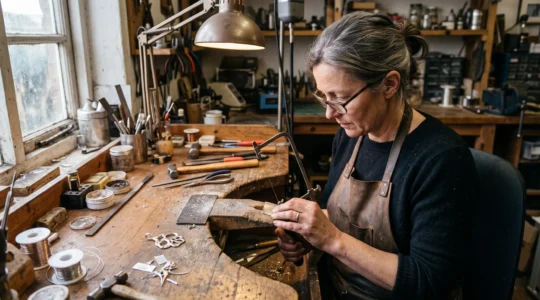
How Much Should Genuinely Handcrafted Silver Jewelry Actually Cost?
A genuinely handcrafted silver pendant can cost substantially more than a visually similar factory-produced piece, even when both contain the same amount of sterling silver. The difference often lies in the work required to transform raw metal into finished jewelry,…
Lire la suite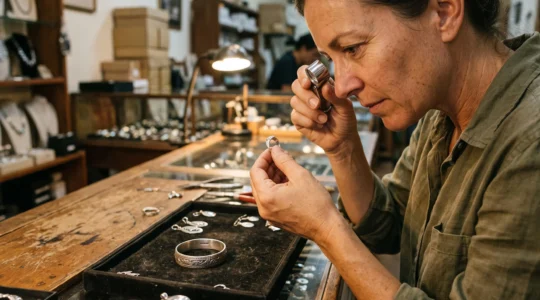
How to Decode Sterling Silver Purity Standards When Buying Jewelry Abroad
A silver bracelet marked 925 in a London jewelry shop and another carrying the same stamp in a Southeast Asian market may claim identical metal content. Yet the markings do not necessarily provide the same level of independent verification. Understanding…
Lire la suite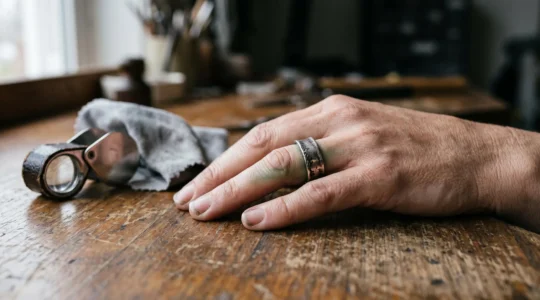
Which Silver Alloys Won’t Trigger Allergic Reactions or Skin Discolouration?
For sensitive skin, fine silver (999) and verified nickel-free silver alloys are generally preferable to jewellery with an unspecified metal composition. Argentium silver is another promising option because its germanium-containing formulation resists tarnish, although this does not establish that allergic…
Lire la suite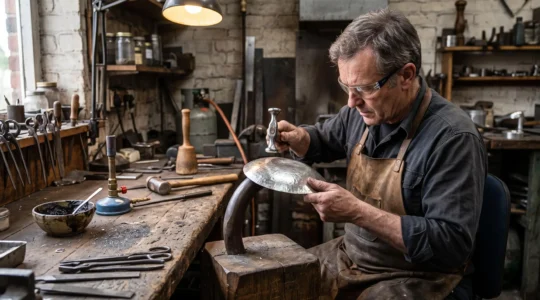
How Different Metalworking Techniques Determine Silver Jewelry Value
The value of silver jewelry extends beyond precious-metal content, decorative appeal and the reputation of its maker. Metalworking techniques determine how an object is formed, how its components withstand wear and how much specialised craftsmanship its production requires. For collectors,…
Lire la suite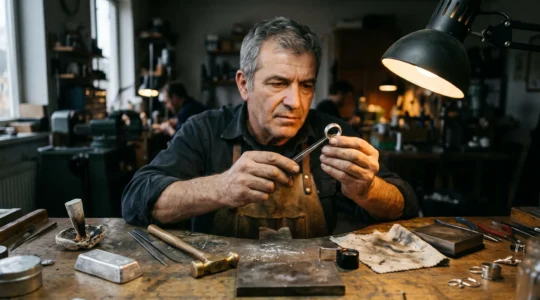
How Alloy Composition Determines Whether Silver Lasts 5 Years or 50 Years
A silver engagement ring can become a treasured family heirloom, yet another piece bearing the same 925 stamp may develop damaged settings, weakened joints or an increasingly worn surface after relatively modest use. The difference rarely comes down to silver…
Lire la suite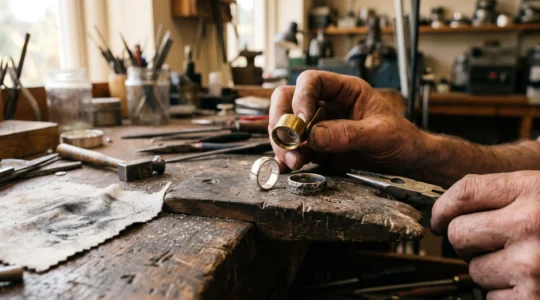
When Does 99.9% Pure Silver Make Sense for Jewelry and When Doesn’t It?
A pendant made from 99.9% pure silver sounds inherently superior to one made from 92.5% sterling silver. It contains more precious metal, has fewer alloying ingredients and offers the appeal of near-pure silver. Yet that extra purity can become a…
Lire la suite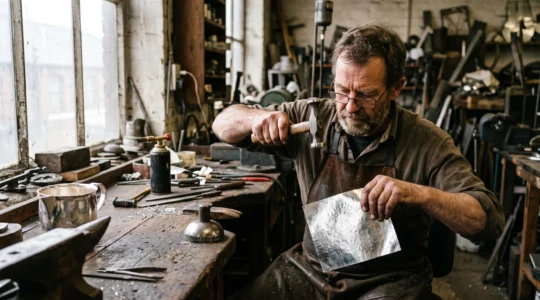
How to Recognise Hand-Forged Silver Metalwork Worth Investing In
A silver cuff can look beautifully hammered yet have been cast in a mould. Another may appear perfectly smooth despite having been shaped through hours of hand forging. The difference matters when a seller asks a substantial premium for traditional…
Lire la suite