Styles and Designs
Jewelry Styles and Designs: Understanding Every Look Before You Choose
Walk into any jeweler’s shop and one thing becomes immediately clear: no two pieces speak the same visual language. Some radiate timeless elegance while others embrace bold geometry or delicate romance. This rich diversity comes down to jewelry styles and designs, the aesthetic frameworks that shape everything from engagement rings to everyday earrings.
If styling choices feel overwhelming at first, take heart. Just like recognizing architectural differences between a Gothic cathedral and a modernist villa, once you learn the key characteristics of each jewelry style, identifying them becomes second nature. Think of this article as your map through the world of fine jewelry aesthetics: it explains where each tradition comes from, what defines its silhouette, and most importantly, how to determine which style truly suits you.
Why Jewelry Design Styles Matter More Than You Might Think
A jewelry style isn’t just decoration, it’s a set of deliberate decisions about proportions, settings, finishes, motifs, and metalwork. These collective choices influence three very practical things:
- Daily wearability: a sleek bezel-set band behaves differently than an ornate Edwardian ring when washing hands or typing all day.
- Perceived value: certain construction techniques involve more labor and therefore command higher prices, regardless of gemstone carat weight alone.

How Matte Silver Textures Create Understated Elegance in Minimalist Wardrobes
A minimalist wardrobe depends on thoughtful proportions, restrained colours and carefully chosen details. Jewellery should contribute to that balance rather than interrupt it. Matte silver offers an appealing solution: its textured surface softens reflected light, allowing metal to remain visually…
Lire la suite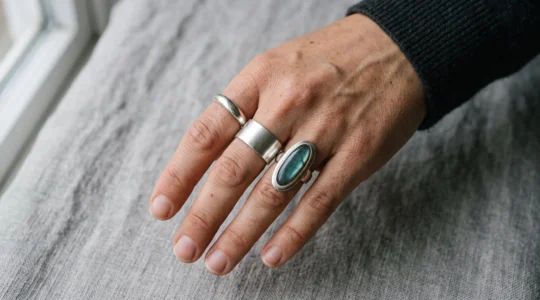
Which Ring Silhouettes Flatter Short vs Long Fingers and Wide vs Narrow Hands?
The most flattering ring silhouette depends less on hand size alone than on the relationship between finger length, width, knuckle shape and the ring’s visible proportions. Short fingers often benefit from elongated gemstones and restrained band widths, while long fingers…
Lire la suite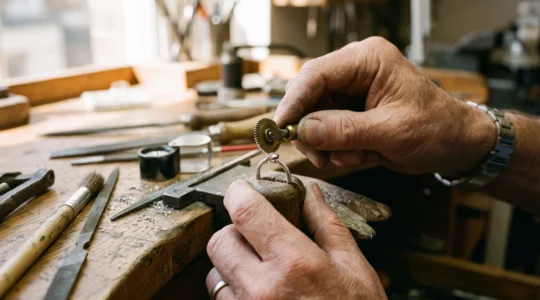
How Millgrain Beading Reveals Jewelry’s Historical Period and Craftsmanship Quality
A border of tiny metal beads surrounding a diamond can reveal more about antique jewelry than its decorative appearance suggests. Known as millgrain or millegrain, this finishing technique became particularly associated with the delicate platinum settings of Edwardian jewelry and…
Lire la suite
How to Style Angular Silver Jewelry With Soft Flowing Contemporary Fashion
Angular silver jewelry and flowing contemporary clothing might seem like opposing design languages. One relies on defined edges, straight lines, and precise geometry; the other emphasizes movement, draping, and relaxed silhouettes. Yet that difference can become the defining feature of…
Lire la suite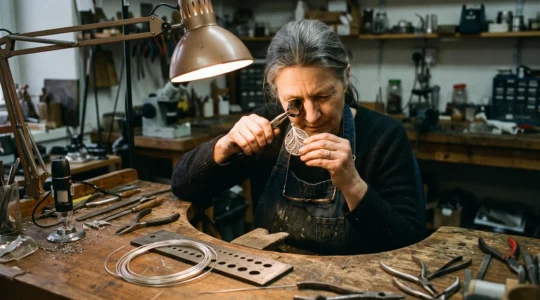
How to Spot Genuine Hand-Drawn Silver Threads in Filigree Jewelry
A silver filigree pendant can be entirely assembled by hand without its maker ever drawing the original silver wire. That distinction matters when a seller charges a premium specifically for hand-drawn threads, traditional wire preparation, or an unusually labor-intensive production…
Lire la suite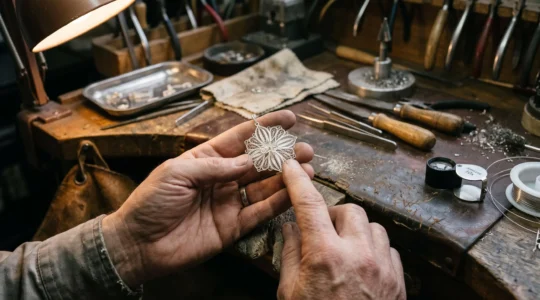
What Are the Care Limitations of Hair-Thin Silver Wire Jewelry?
Hair-thin silver wire jewelry can be remarkably light and intricate, but its delicacy comes with practical limitations. Exposed strands can bend, snag, kink, or break under forces that sturdier jewelry would tolerate. Even careful cleaning may cause damage if a…
Lire la suite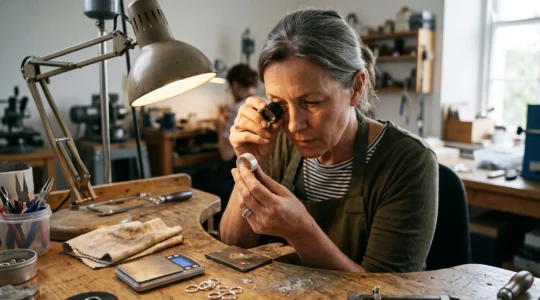
How to Spot Poor Casting Quality Before Buying Silver Jewelry
A cast silver ring can look flawless under showroom lighting while concealing rough recesses, poorly filled details or cavities that compromise its durability. Surface brightness is therefore a weak measure of manufacturing quality. The more revealing evidence lies in the…
Lire la suite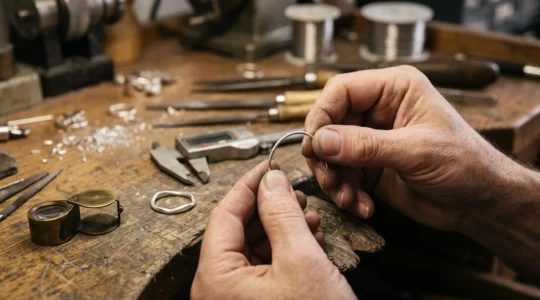
Why Visually Beautiful Silver Jewelry Often Fails Structurally Within Months
A silver ring can look perfectly finished and still bend during ordinary activities. A delicate necklace may survive months of careful storage only to snap when caught on clothing. A gemstone may loosen even though its setting appeared secure at…
Lire la suite